Primary Research Solutions · Focus Group Discussions

Put your idea in front of a room
and watch what really happens.

Moderated group discussions — in person or online — with participants recruited to your exact specification. Concepts tested, perceptions surfaced, and the room's real reaction documented in structured reporting.

In-person or online groups
Consumer and B2B audiences

People answer surveys alone. They buy, recommend, and reject in a social world. A well-run group shows you the dynamics — the hesitation, the persuasion, the moment a concept wins or dies.

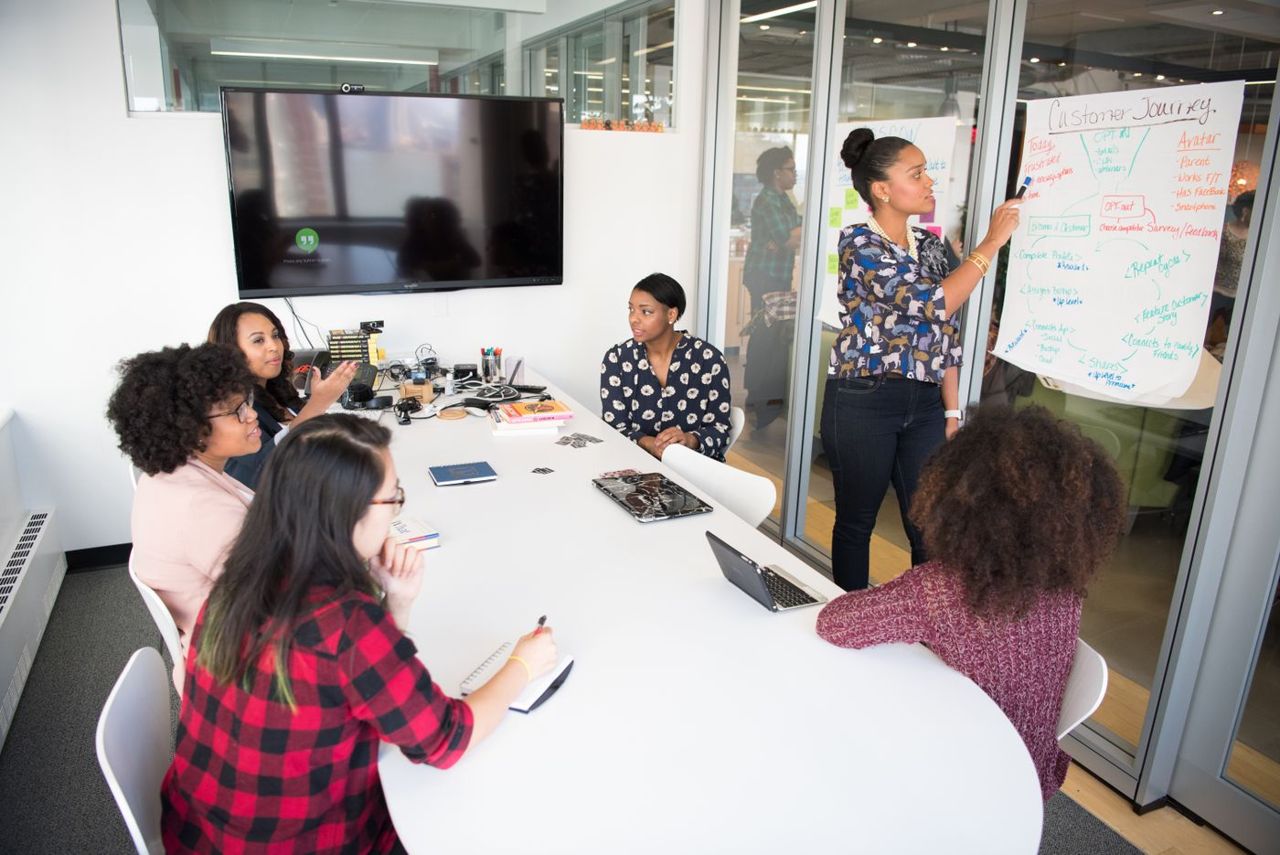
Moderated focus group discussion with a facilitator at the whiteboard

6–10

Participants per group

The Room Tells You Things

Watch opinions form, collide, and change.

Professionally moderated groups — in person or online — where participants react to each other, not just to questions. Screened recruitment, live observation, structured reporting.

  • Participants recruited to your screener
  • Trained moderators, discussion guides agreed
  • Observe live; receive transcripts and findings
Submit a Project

When It Fits

Four jobs focus groups do best

Concept and message testing

Products, packaging, positioning, campaigns — watch real reactions form in real time, hear the language people actually use, and learn which version survives contact with an audience.

Perception and brand understanding

How a category, a brand, or a competitor is genuinely perceived — including the associations people only voice when others in the room open the door first.

Contrasting segments side by side

Run parallel groups — loyalists vs. switchers, urban vs. regional, SMB vs. enterprise — and see exactly where attitudes diverge and why.

Ideation and co-creation

Structured creative sessions where participants build on each other — generating the feature ideas, use cases, and objections your team hasn't thought of yet.

What You Get

A group is only as good as its recruitment and its moderator

Anyone can put eight people in a room. The value comes from who those eight people are and how the discussion is run — both are where we put the work.

Typical programmes

2–6 groups of 6–10 participants, 90–120 minutes each. Single exploratory groups and larger multi-market programmes are both scoped per brief.

01

Recruitment to your exact specification

Demographics, behaviours, category usage, professional criteria for B2B groups — every participant screened and verified. No fillers, no professional respondents recycling through panels.

02

Professional moderation

Moderators who manage dominant voices, draw out quiet ones, probe past politeness, and keep the discussion on your objectives — in the local language where the market requires it.

03

Discussion guide and stimulus design

Session flow, exercises, and stimulus handling (concept boards, prototypes, messaging variants) designed around your objectives — with rotation built in so order effects don't contaminate the read.

04

Live observation for your team

Viewing facilities for in-person sessions, private streams for online groups — with a backchannel to the moderator so your team can feed in questions mid-session.

05

Recordings, transcripts, and structured reporting

Full session recordings and transcripts, plus a findings report across all groups — what the rooms agreed on, where segments diverged, and what it means for your decision.

The Process

From objective to findings report

Online groups can field in as little as two weeks; in-person multi-market programmes typically run three to five weeks. Timelines are confirmed in the scoping proposal.

1

Design the programme

Number of groups, segment structure, participant specification, markets, format, and discussion guide — agreed upfront.

2

Recruit and verify

Participants screened against your criteria, with over-recruitment built in so no-shows never compromise a session.

3

Run the sessions

Moderated discussions with your team observing live — debriefs after each session while impressions are fresh.

4

Report across groups

Recordings and transcripts delivered, with a consolidated findings report — patterns, divergences, and implications for the decision at hand.

When the Topic Is Personal

Some subjects don't belong in a room of strangers

Sensitive decisions, confidential B2B contexts, and senior respondents are often better served one-to-one. Our In-Depth Interviews deliver the same rigour in a private setting — and many programmes combine both.

Explore In-Depth Interviews

FAQ

Focus groups — common questions

Something specific? Write to sales@astuteconnect.com — we respond within one business day.

At least two per distinct segment — a single group can be hostage to its own dynamics. Most decisions are well served by two to six groups; we recommend a structure in the scoping proposal.

In-person suits physical stimuli (packaging, prototypes) and rich nonverbal reads. Online widens the recruit pool, cuts cost and timeline, and works well for concepts and messaging. Many programmes mix both — we recommend per objective.

Yes — professional audiences recruited by role, industry, and seniority, with competitive-conflict screening so participants can speak freely. Our expert-network sourcing makes harder B2B recruits feasible.

Yes — live observation is standard, with a backchannel to the moderator for mid-session questions. Participants are informed observers are present; your identity is not disclosed.

Major markets across North America, Europe, and Asia-Pacific, with local-language moderation where needed. Multi-market programmes run consistent guides under one scope, with all reporting in English.

Find out what the room really thinks.

Tell us the concept, the audience, and the markets — we'll design the groups, recruit to spec, and report what actually happened.

Astute Connect | Focus Group Discussions
Are you an industry expert? Join our network — get paid for your insight